Compare Local Contractors for Basement Drainage Solutions
Compare local contractors for basement drainage to define project scope, verify experience, and set clear expectations in writing for a successful upgrade.
Basement drainage services typically cover a range of solutions aimed at managing excess water and preventing moisture buildup beneath a property. This work often involves installing or repairing drainage systems such as sump pumps, drain tiles, or perimeter drains to direct water away from the foundation. Proper drainage is essential to minimize the risk of flooding, reduce basement dampness, and protect the structural integrity of a home. Property owners should have a clear understanding of what specific issues need addressing, whether it’s surface runoff, groundwater seepage, or existing drainage failures, to ensure the chosen service provider can deliver effective solutions.
Defining the scope of basement drainage work is a vital step in the process. A well-outlined scope helps set realistic expectations, ensures all necessary tasks are accounted for, and provides a basis for clear communication with contractors. When discussing a project, property owners should specify the areas needing attention, the types of drainage systems desired, and any existing conditions that could influence the work. Having these details documented in writing can prevent misunderstandings and provide a reference point should questions or concerns arise during the project’s progression.
Comparing local contractors for basement drainage services involves evaluating experience, reputation, and the range of services offered. Property owners can start by researching providers in their area, seeking out detailed descriptions of their capabilities and past projects. It’s beneficial to verify how each contractor approaches scope definition and whether they provide written estimates or proposals that outline work specifics. Asking questions about their familiarity with local soil conditions and common drainage challenges can also help identify service providers with relevant expertise. Ultimately, taking the time to assess these factors can lead to a more informed decision and a successful project outcome.
Compare local contractors by outlining project priorities, verifying experience, and clearly defining scope and expectations in writing.
- Compare Contractors - review multiple local service providers to find the best match for your basement drainage needs.
- Define Scope Clearly - outline specific project details to ensure understanding and proper expectations.
- Verify Experience - check the background and expertise of local contractors to ensure quality work.
- Document Agreements - keep all project details and commitments in writing for clarity and accountability.
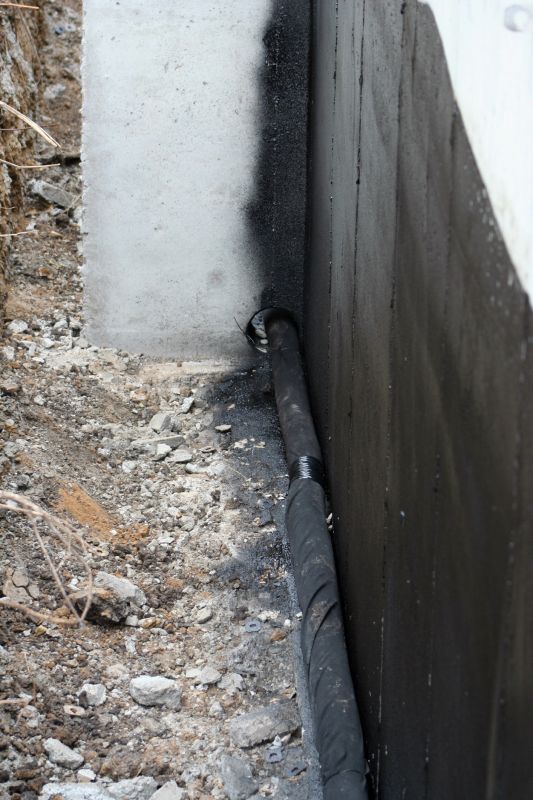
Before comparing contractors for basement drainage, clearly define your project scope and verify their experience.
- Verify the experience of service providers in installing and repairing basement drainage systems. - Ensure contractors clearly define the scope of work and include all necessary tasks in written agreements.
- Compare the services offered by different local contractors to find those specializing in basement drainage solutions. - Look for providers who can assess existing drainage issues and recommend appropriate fixes.
- Check for references or reviews that demonstrate a contractor’s track record with basement drainage projects. - Confirm that service providers have experience working with the specific foundation and soil conditions of the property.
- Discuss the materials and methods that will be used to ensure proper drainage and prevent future issues. - Make sure all project expectations, responsibilities, and warranties are documented in writing.
- Assess the communication style and professionalism of the contractors to ensure clear and transparent exchanges. - Clarify the process for handling unforeseen issues or changes during the project before work begins.
Compare local contractors, clarify project scope, verify experience, and document expectations to ensure a successful basement drainage project.
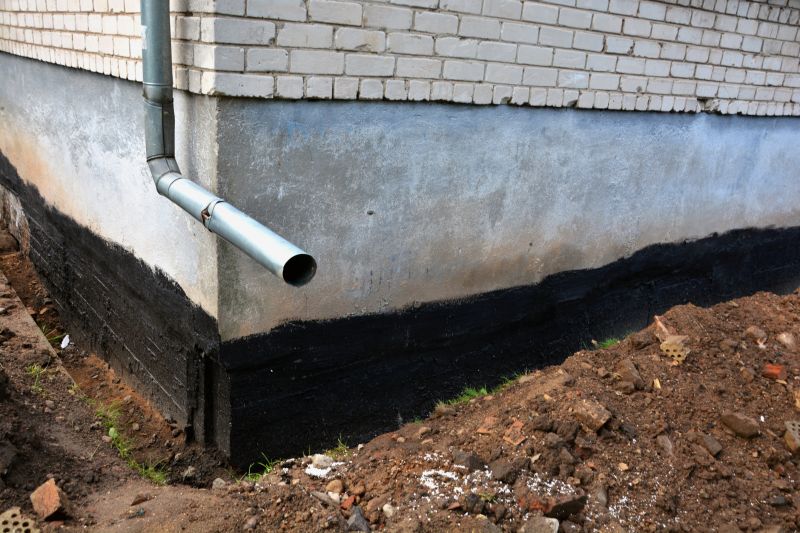
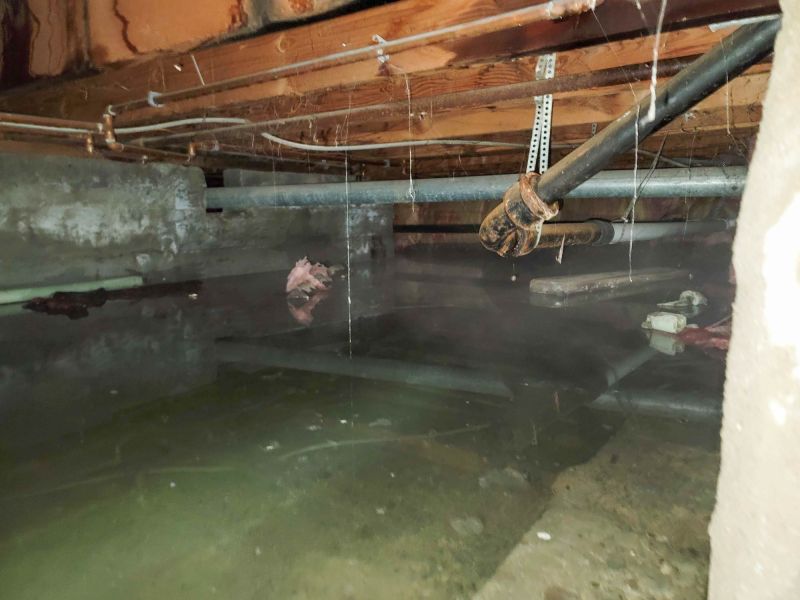
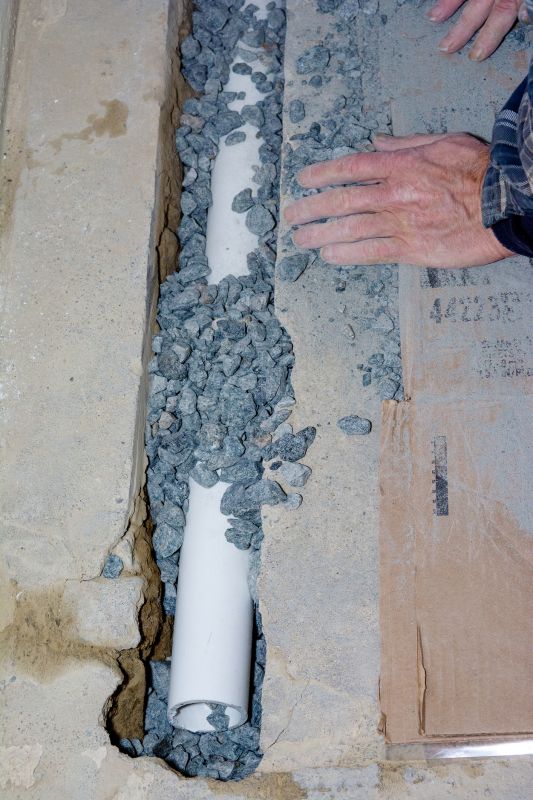
Compare local contractors' scope of work, verify their experience, and clearly define expectations to ensure consistency.
- Scope Definition - Clearly outline the specific drainage issues and the desired outcomes for the basement drainage project.
- Experience Verification - Confirm that local contractors have relevant experience with basement drainage systems similar to the project scope.
- Material and Method Clarification - Specify the types of materials and drainage methods that will be used in the installation or repair.
- Responsibility and Tasks - Define which tasks are included in the scope, such as excavation, waterproofing, piping, or grading.
- Written Agreement - Ensure all scope details are documented in a written agreement to set clear expectations for the project.
When evaluating contractors for basement drainage services, it is important to consider their experience with similar projects. Homeowners should inquire about the types of drainage issues they have addressed and the solutions they have implemented in the past. Contractors with a history of working on basement waterproofing, drainage system installation, or repair projects comparable to the specific needs of the home are more likely to understand the complexities involved and deliver effective results. Verifying a contractor’s familiarity with local soil conditions and common drainage challenges can help ensure the chosen service provider has the relevant background for the job.
A clear, written scope of work is essential when comparing contractors. This document should outline the specific tasks to be performed, the materials to be used, and the expected outcomes. Homeowners are encouraged to request detailed proposals that specify each phase of the project, so expectations are aligned and there is a mutual understanding of what the service provider will deliver. Having a comprehensive scope in writing helps prevent misunderstandings and provides a basis for evaluating whether a contractor’s approach matches the project’s needs.
Verification basics are key in assessing potential service providers. Homeowners should ask for references or examples of completed projects similar to theirs, and verify the experience of the contractors involved. Confirming that the contractor has successfully handled projects of comparable size and scope can provide confidence in their capability. Additionally, understanding their process for addressing unforeseen issues and how they communicate progress can help set realistic expectations and ensure transparency throughout the project.
When comparing options, it is helpful to evaluate how each contractor approaches the work and communicates. Look for detailed proposals that outline the scope, materials, and methods, and check that these align with the homeowner’s expectations. Asking about their problem-solving approach and how they handle unexpected challenges can shed light on their professionalism and reliability. Ultimately, selecting a service provider involves assessing their experience, clarity of scope, and communication style-factors that contribute to a smooth and successful basement drainage project.
Ask contractors to provide written scope details to ensure clear expectations and consistent project understanding.
- Experience and References - What experience do the local contractors have with basement drainage systems similar to the scope of this project?
- Scope of Work - How clearly do the contractors define the scope of work and deliverables in their written proposals?
- Materials and Methods - What drainage solutions and materials do the service providers recommend, and how do they justify their choices?
- Warranty and Guarantees - Do the contractors offer any warranties or guarantees, and what do they cover?
- Communication and Expectations - How do the local service providers communicate project details and set expectations in their written agreements?
How can I compare contractors for basement drainage services? To compare local contractors, review their experience, verify references, and assess the scope of services they offer to ensure they meet specific project needs.
What should I consider when defining the scope of a basement drainage project? Clearly outline the work needed, such as waterproofing, drainage system installation, or repairs, and communicate these details in writing to avoid misunderstandings.
How can I verify a contractor’s experience with basement drainage work? Ask for details about their previous projects, request references, and check if they have specialized experience in basement drainage solutions relevant to your area.
Why is it important to have the project scope in writing? Having the scope documented helps set clear expectations, prevents miscommunication, and provides a record of agreed-upon work between you and the contractor.
What questions should I ask contractors before hiring for basement drainage services? Inquire about their experience, the methods they use, the types of drainage systems they install, and how they handle potential issues that may arise during the project.
How can I ensure the contractor understands my basement drainage needs? Provide detailed descriptions of the problems, share any previous assessments, and confirm that the scope of work is clearly documented to align expectations.
Understanding the importance of selecting the right contractor for basement drainage services is key to ensuring the job meets expectations. Visitors have learned how to define the scope of work clearly, verify the experience of local contractors, and set expectations in writing to facilitate a smooth process. Comparing options through the quote form can help identify service providers who best align with specific project needs and preferences.
Using the quote form allows visitors to efficiently explore their options among nearby contractors specializing in basement drainage. It provides a straightforward way to gather information, compare offerings, and connect with experienced service providers qualified to handle the job. This approach supports making informed decisions when choosing a contractor for basement drainage needs.